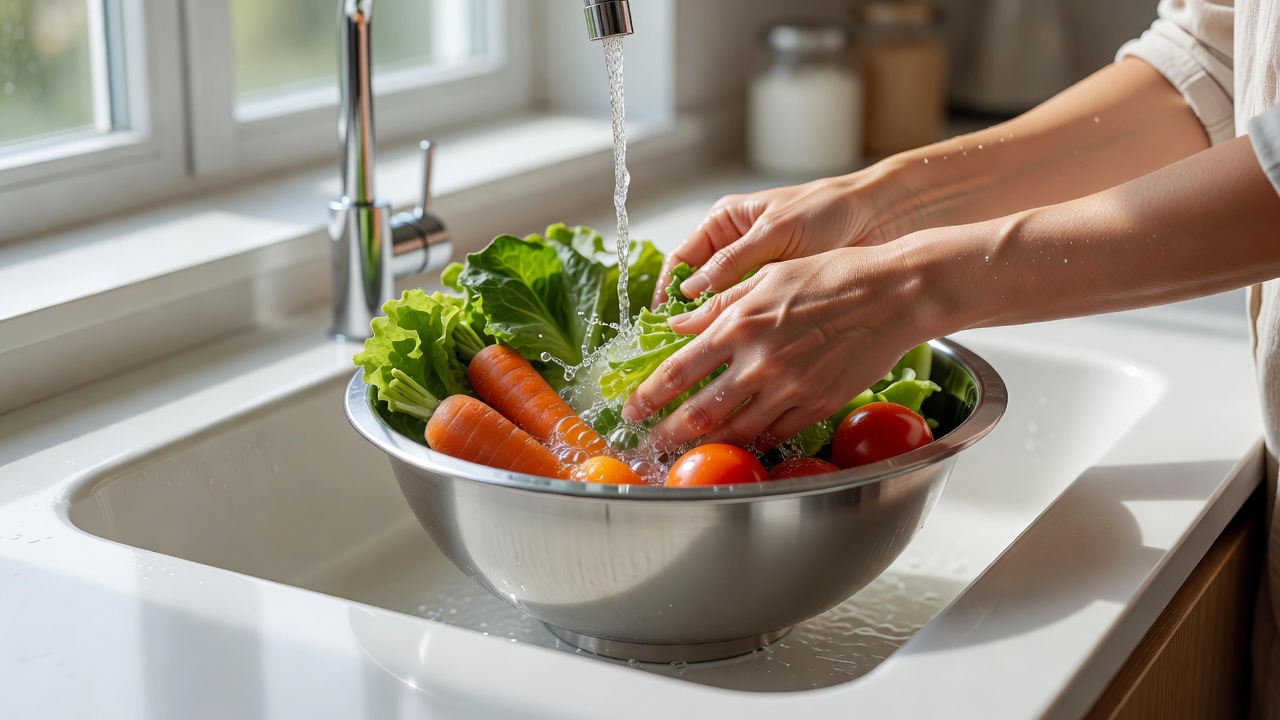
A smaller household kit is not a competition to own the fewest things. The useful question is whether the objects you keep make ordinary tasks manageable. A specialist tool used every day may earn its place easily. A supposedly universal gadget can be poor value if its compromises make every job harder.
Start with a task inventory rather than a product list. Write down what you cook, clean, mend, carry and maintain during a normal week. Include constraints such as limited grip strength, a small sink, shared storage or the need to use a dishwasher. Those details tell you more about a good purchase than a generic list of must-have essentials.
Audit what already does the work
Look through your existing kit before shopping. Two objects may overlap without being redundant: one might be needed while the other is drying or in use. Conversely, three slightly different tools may all serve a task that one familiar item already handles well. Judge the workflow, not the count.
Set aside rarely used items only when you understand why they are idle. A seasonal tool can be valuable even if it sits untouched for months. An inaccessible object may need a better storage location rather than replacement. There is no need to discard functioning duplicates simply to create a minimalist-looking cupboard.
Compare a bowl by the jobs around it
A plain mixing bowl may also wash produce, hold prepared ingredients and serve food. But size, stability and cleaning matter. A very large bowl can be awkward in a compact sink, while a small one may spill during mixing. Check whether the base rests securely and whether the rim is comfortable to grip.
Stainless steel can be light and resistant to breakage, but it is not microwave-compatible. Glass can offer visibility and, where explicitly rated, additional temperature uses, but it is heavier and can break. A plastic bowl may be easy to handle, but heat limits, scratches and cleaning instructions deserve attention. Use only products intended for food contact, and follow the exact product’s temperature guidance.
| Item | Useful overlap | Check before choosing |
|---|---|---|
| Plain mixing bowl | Preparing, mixing, washing produce, serving | Grip, capacity, storage and temperature restrictions |
| Washable cloth | Wiping, dusting and drying within a separated cleaning system | Care label, drying speed and hygiene separation |
| Replaceable-head brush | Routine scrubbing appropriate to the head and surface | Replacement stock, bristle suitability and drying |
| Simple hand tool | Compatible adjustments and permitted maintenance | Correct size, safe application and comfortable handling |
Versatility stops where hygiene or safety begins
A cloth can perform several kinds of cleaning over its life, but that does not mean the same unwashed cloth should move between a bathroom and a food-preparation area. Keep cleaning roles separate, follow appropriate washing guidance and let items dry properly. Do not turn “multipurpose” into a reason to ignore contamination risks.
Similarly, do not repurpose a food container for chemicals and later return it to food use. Do not use a kitchen knife as a screwdriver or a chair as a substitute for suitable access equipment. The most useful object is one used within its design limits, not one pushed into every imaginable role.
Account for cleaning and storage
One product that does several tasks may need cleaning between each task. That can work well, or it can create a bottleneck. A second inexpensive bowl might be more useful than one complicated combination appliance. Assess how your routine actually unfolds, especially when several people share a kitchen or workspace.
Look for easy-to-clean shapes, accessible corners and parts that dry without trapping moisture. Check whether nesting requires protective layers, whether a handle fits your cupboard and whether detachable pieces are easy to lose. Storage is part of ownership, not a problem to solve after checkout.
Borrow for occasional jobs
For a task that happens rarely, borrowing or renting may be a better fit than ownership. Ask a local library of things, a community tool library or a rental provider about availability, deposits, training and condition checks. Library of Things and the Shareable directory are examples of starting points; coverage and terms depend on where you live.
Borrowing is not automatically convenient. Include collection time, transport, booking constraints and the need to return an item clean. If access is unreliable and a task recurs often, owning an appropriate tool may be sensible. The comparison should reflect the whole arrangement rather than treating one route as morally superior.
Buy for a demonstrated gap
When something is genuinely missing, write a short purchase brief: the jobs, the required size, the care routine, the storage space and the likely wear part. Reject features that do not support those needs. Then compare construction and repair options using the same criteria across candidates.
There is no requirement to transform your home at once. Use the kit you have, learn where it fails, and replace selectively when a real need appears. A quiet, familiar cupboard can be the result of good decisions even if nothing in it matches.